
5 Reasons Hiring Professional Painters Saves You Time and Money
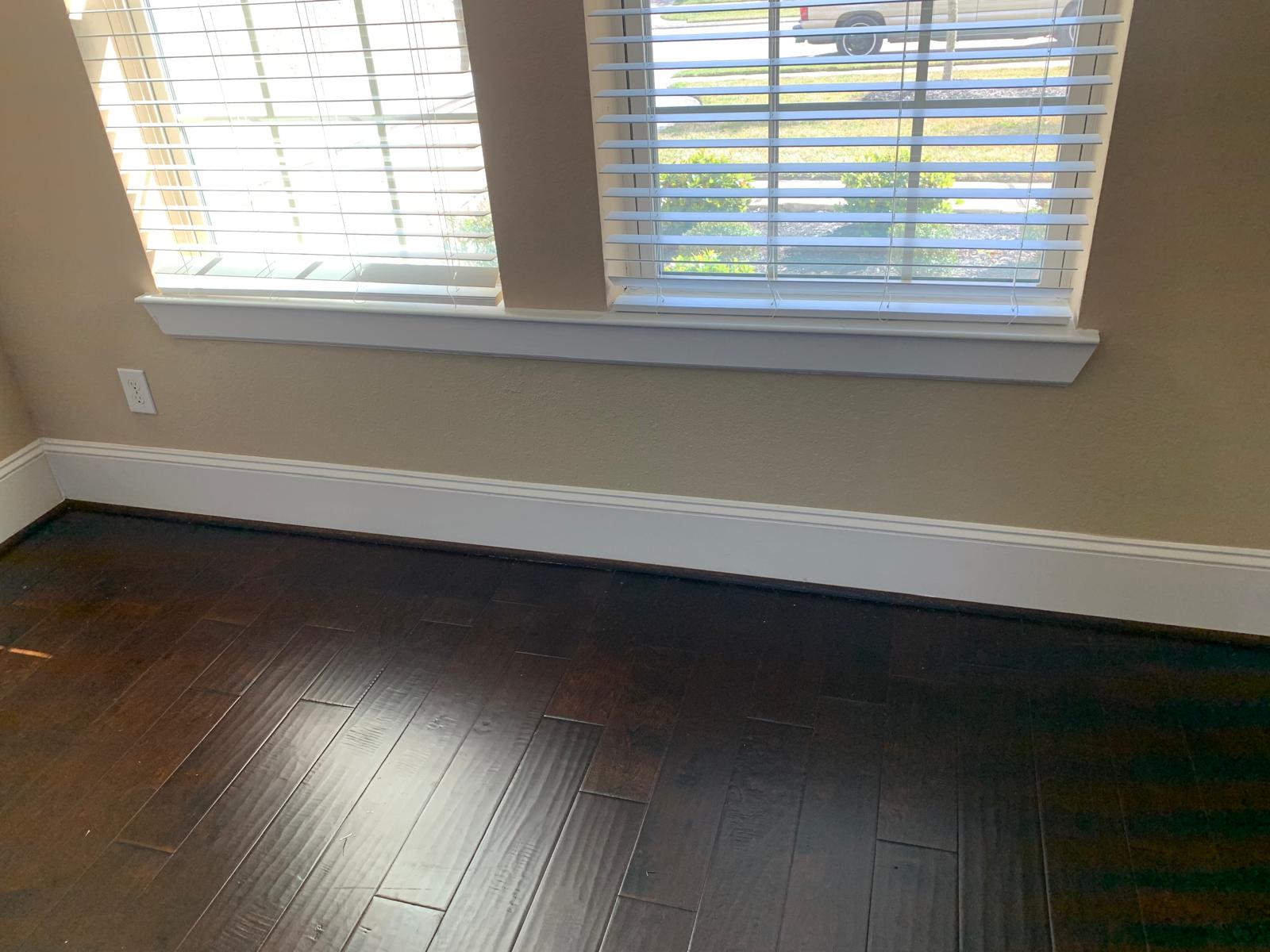
I want to be straight with you: not every paint job needs a professional. If you're painting a small bedroom and you have a free weekend and don't mind doing it over if it doesn't look right, go ahead and do it yourself. But most of the time, when homeowners call me after trying it themselves, the story is the same — they underestimated how long it would take, the results didn't meet their expectations, and now they're paying someone to fix it anyway.
Here are five reasons the math usually works out in favor of hiring a pro.
Prep Work Takes Longer Than Anyone Expects
The actual painting is fast. The prep — cleaning walls, filling holes, sanding, caulking, taping trim, laying drop cloths — takes most of the time. A lot of homeowners start on a Saturday morning thinking they'll be painting by noon. They're still taping trim at 3 PM. And if the prep isn't done right, the paint job fails. Blotchy coverage, paint peeling at the corners, visible brush marks — all of that comes from skipping or rushing prep.
A professional crew comes in knowing exactly what needs to happen before the paint goes on. That knowledge comes from doing hundreds of jobs. You don't have to learn the hard way.
You'll Spend Money on Supplies Anyway
Paint, primer, rollers, brushes, painter's tape, drop cloths, a roller extension, a cutting brush, sandpaper, patching compound — by the time you buy what you actually need, you're spending real money. And the tools you buy at the hardware store for a one-time job are not the quality we use every day. A cheap roller leaves fuzz in the finish. A stiff brush doesn't cut a clean line. The money gap between DIY and professional is smaller than most people think once you add up supplies.
Brush Marks and Lap Marks Are Hard to Avoid Without Practice
This is where most DIY jobs show their age. Lap marks happen when you roll over paint that's already partially dry. They're visible as light or dark stripes on the wall, especially in natural light. Getting a smooth, even wall with a roller takes technique — maintaining a wet edge, not over-rolling, using the right pressure. Brush marks on trim are even harder to avoid. Semi-gloss on baseboards will show every stroke if you're not using the right brush and moving correctly.
We deal with this every day. It's not a mystery to us. But for someone painting their first room, it's easy to get wrong.
Ceiling and Trim Painting Is Where Most People Give Up
Rolling walls is manageable. Cutting a clean line at the ceiling is hard. Painting trim without getting paint on the walls is hard. Getting a flat ceiling even with a roller when the light rakes across it is hard. These are the parts of an interior paint job that slow people down and frustrate them the most. A lot of half-finished DIY jobs happen because the walls got done and the trim and ceiling got left for "later."
A two-person professional crew handles all of that in a fraction of the time because we have the tools and the routine. It's just faster.
A Bad Paint Job Shows — Especially in Resale
If you're planning to sell your home at any point in the next few years, the quality of the painting matters. Buyers notice. Agents notice. A fresh, clean paint job — walls that are even, trim that's sharp, ceilings that look clean — adds to the impression the home makes. A DIY job with uneven walls and scraped-up trim edges does the opposite. The cost of a professional repaint is almost always recovered in a faster sale or a better offer.
Not every job needs a pro. But most interior repaints where appearance matters — main living areas, before listing, after a remodel — are worth doing right.
Ready to Get a Quote?
We serve League City, Houston, Friendswood, Pearland, Kemah, and the surrounding area. Call or book online.