Medical Facility Painting in the Houston Area
Painting in a medical facility is not like painting an office building. Patients are present. Infection control is a real concern, not just a phrase on a checklist. Strong paint fumes can't be in a patient area. Dust from prep work can't be allowed to spread through an HVAC system that's serving exam rooms or procedure areas. Work areas have to be completely contained and returned to a clean, professional condition before staff and patients return. Most commercial painters don't think about any of this — they're used to painting office buildings and warehouses where the space is empty at night. We've done enough healthcare painting to know the difference.
We work with hospitals, outpatient surgery centers, medical office buildings, imaging centers, physical therapy facilities, and specialty care practices. For smaller clinic environments — dental offices, chiropractic, urgent care — see our clinic painting page across the Houston area — including properties in the Texas Medical Center corridor, Clear Lake, League City, Webster, and the Houston suburbs. Healthcare properties have specific maintenance schedules, and their facilities teams work with contractors who understand the environment and can be trusted to operate safely in it.
Low-VOC and Zero-VOC Paints
VOCs — volatile organic compounds — are the chemicals in paint that off-gas as it dries and cause that paint smell. In a normal commercial or residential setting, you open some windows and the smell dissipates. In a medical facility, you can't do that. Patients with respiratory conditions, post-procedure patients who are sensitive to fumes, and staff who are in the space for eight or twelve hours are all affected by VOC exposure. We use low-VOC and zero-VOC paints from Sherwin Williams and Benjamin Moore specifically for healthcare work — products that cure without producing the chemical fumes that regular paints emit. The healthcare-grade versions of these products also perform better in high-humidity environments like hospital corridors and restrooms, and they stand up to the frequent cleaning and disinfecting that medical surfaces require.
Antimicrobial Finishes
High-contact surfaces in medical facilities — door frames, hand rails, around light switches, in examination rooms — benefit from antimicrobial paint additives or specialty antimicrobial topcoats that inhibit the growth of bacteria, mold, and mildew on the paint surface. Sherwin Williams' Harmony Interior and Acralite are both common choices for medical settings. We specify these products for the areas where they make the most sense and apply them correctly — the antimicrobial properties depend on using the right coverage rate, so we don't stretch the product.
Infection Control Protocols
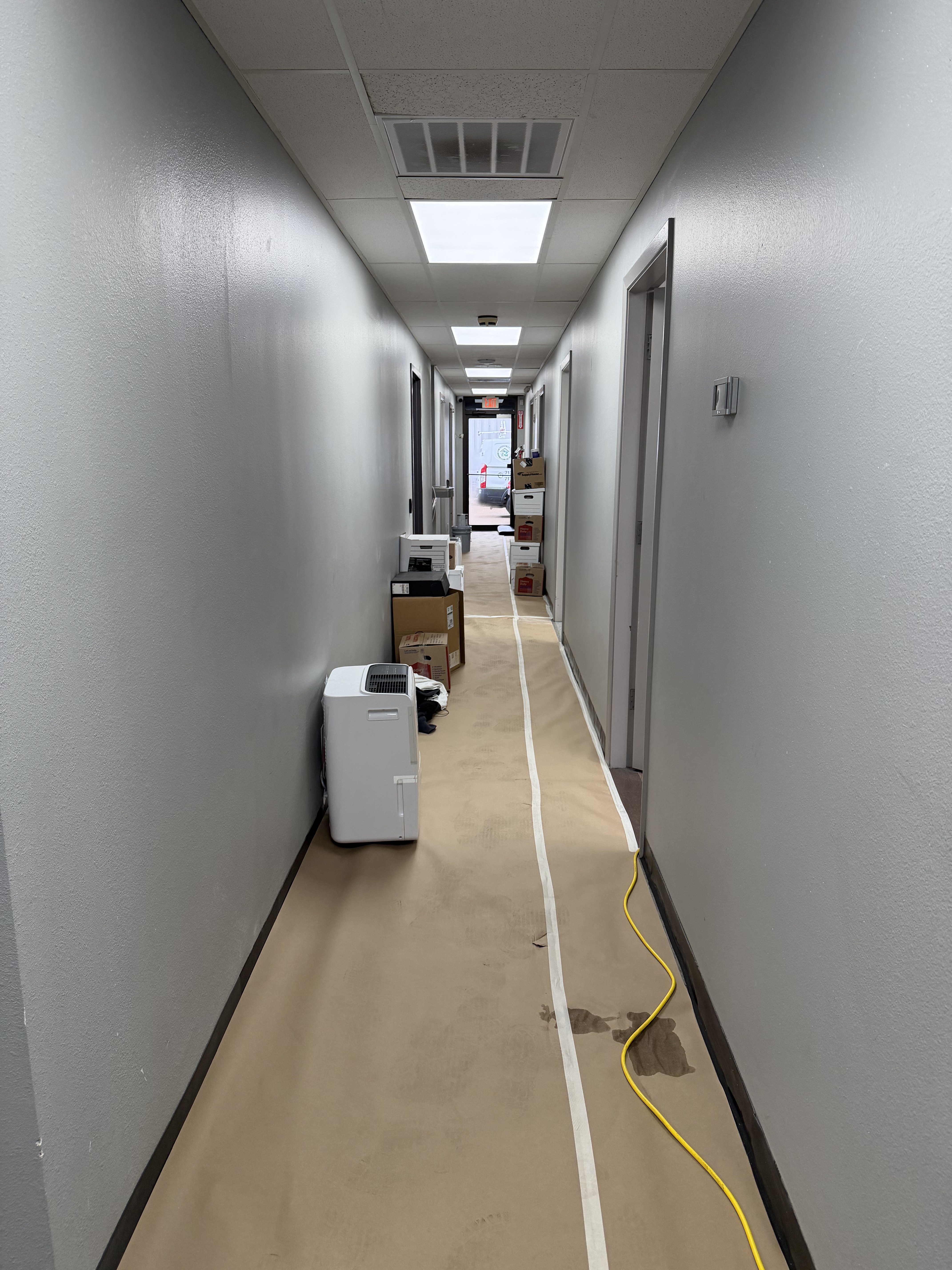
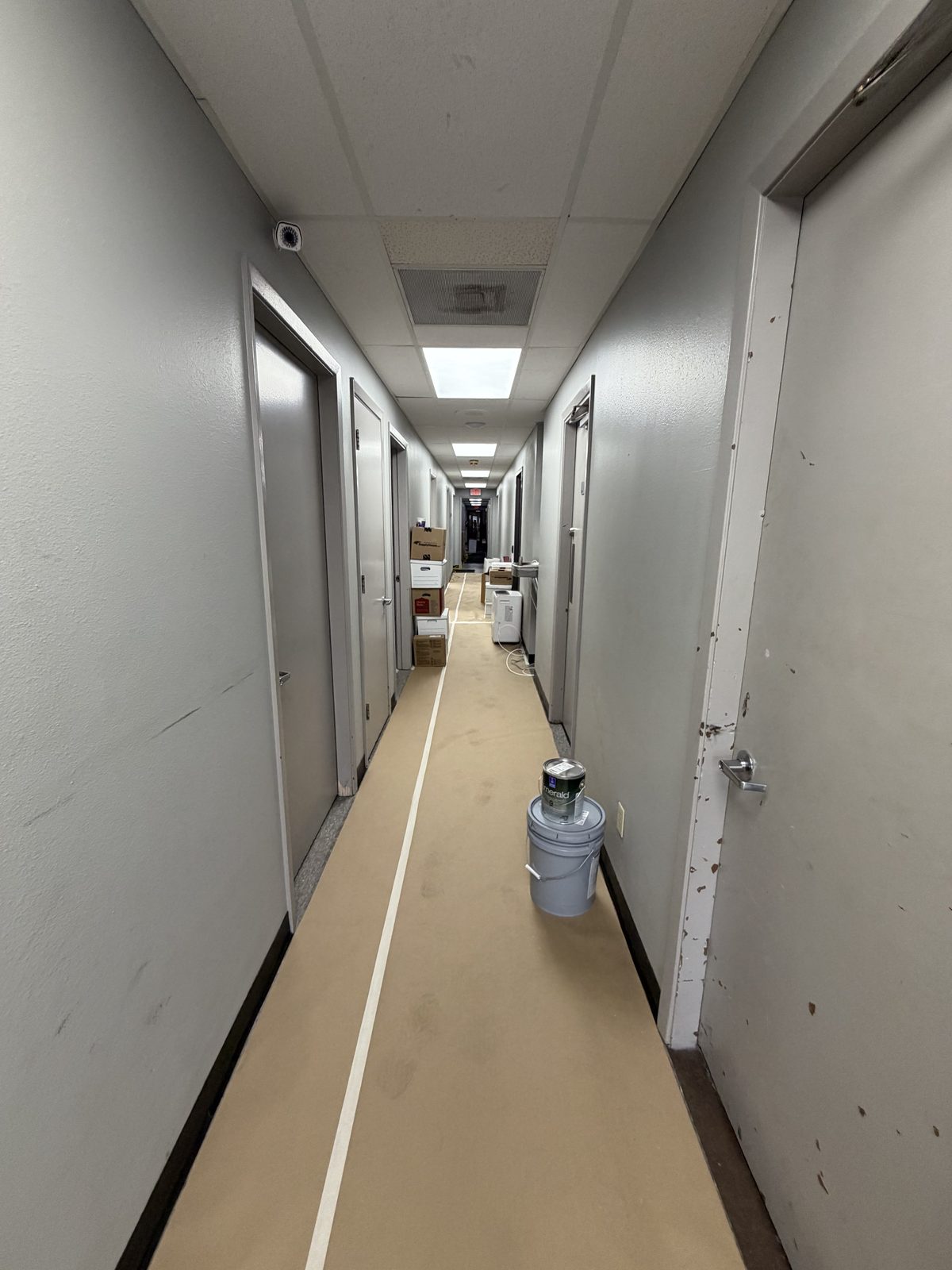
Any time we're working in or adjacent to a patient care area, we set up proper containment. That means plastic sheeting over all HVAC return vents in the work area, negative pressure containment when required by the facility, HEPA-filtered dust collection during any sanding or scraping, and tacky mats at the entrance to the work zone to capture debris before it spreads. We coordinate with the facility's infection control officer or facilities manager before starting any work in a patient care area to make sure our containment approach meets the facility's specific requirements.
After-Hours and Weekend Scheduling
The standard for medical facility painting is off-hours work — after the last patient leaves, through the night, and finished and cleaned before the first patient arrives. We have crews available for overnight and weekend work. For larger facilities where some areas can be taken offline section by section, we work with the facilities team on a phased schedule that keeps most of the facility operational throughout the project. We've done multi-week projects in active medical facilities where patients never knew painting was happening — that's the standard we hold ourselves to.
What's Included With Every Medical Facility Project
✓ Low-VOC and zero-VOC paints for all patient areas
✓ Antimicrobial finishes on high-contact surfaces
✓ HVAC vent sealing and dust containment
✓ Infection control protocol compliance
✓ After-hours and weekend scheduling
✓ Full cleanup before facility reopens
✓ Coordination with facilities manager and infection control officer
✓ Certificate of insurance and compliance documentation provided
✓ 3-year warranty backed by $5M commercial insurance