
Choosing the Right Painting Tools for a Professional Finish
The paint brand on the can matters. But the tools you apply it with matter just as much. I've seen people buy a gallon of Sherwin-Williams Emerald and put it on with a cheap roller and get a finish that looks worse than a careful job done with mid-grade paint and good tools. The two work together, and both have to be right.
Here's what we actually use and why.
Paint Quality: Duration vs. Emerald and Why We Mostly Use Duration
Sherwin-Williams makes several product lines. At the professional end you've got Duration and Emerald. Emerald is their top product — better stain resistance, better coverage, and it's self-priming in a real sense. Duration is one step below but it's an excellent paint and it costs less. For most of our interior and exterior jobs, Duration is what I spec. It covers well in two coats on previously painted surfaces, it holds up to Houston heat and humidity on the exterior, and the color holds for years without fading fast.
Where I'll use Emerald is on trim, on kitchen and bathroom walls where stain resistance matters a lot, and on jobs where the client wants the absolute best option and the budget is there. But Duration is not a compromise. It's a genuinely good paint and I'd put it up against anything in its class.
What I won't use is the entry-level contractor paints. They're thin, they need more coats, and they don't hold up. The cost difference per gallon is real but the labor cost of adding an extra coat is more than the savings on paint.
Rollers: Nap Thickness and Why Cheap Ones Ruin Finishes
A cheap foam or low-quality nap roller sheds fibers into wet paint. You end up with a wall covered in tiny fuzz pieces that dry right into the surface. Once it's dry, you can see it and feel it. The fix is sanding and repainting.
We use a 3/8" nap for smooth to light-texture walls — standard drywall that's been painted before. For heavier orange-peel or knockdown texture like you see in a lot of League City homes from the 1980s, a 1/2" nap gets paint into the valleys of the texture better. On rough exterior masonry or brick, a 3/4" or even 1" nap is necessary. Using the wrong nap for the surface means either you don't get paint into the texture or you're putting on too much paint on a smooth surface and getting runs.
The roller frame also matters. A cheap plastic frame wobbles. A good metal cage frame keeps even pressure across the whole roller and gives you more control.
Caulk Before You Paint — Always
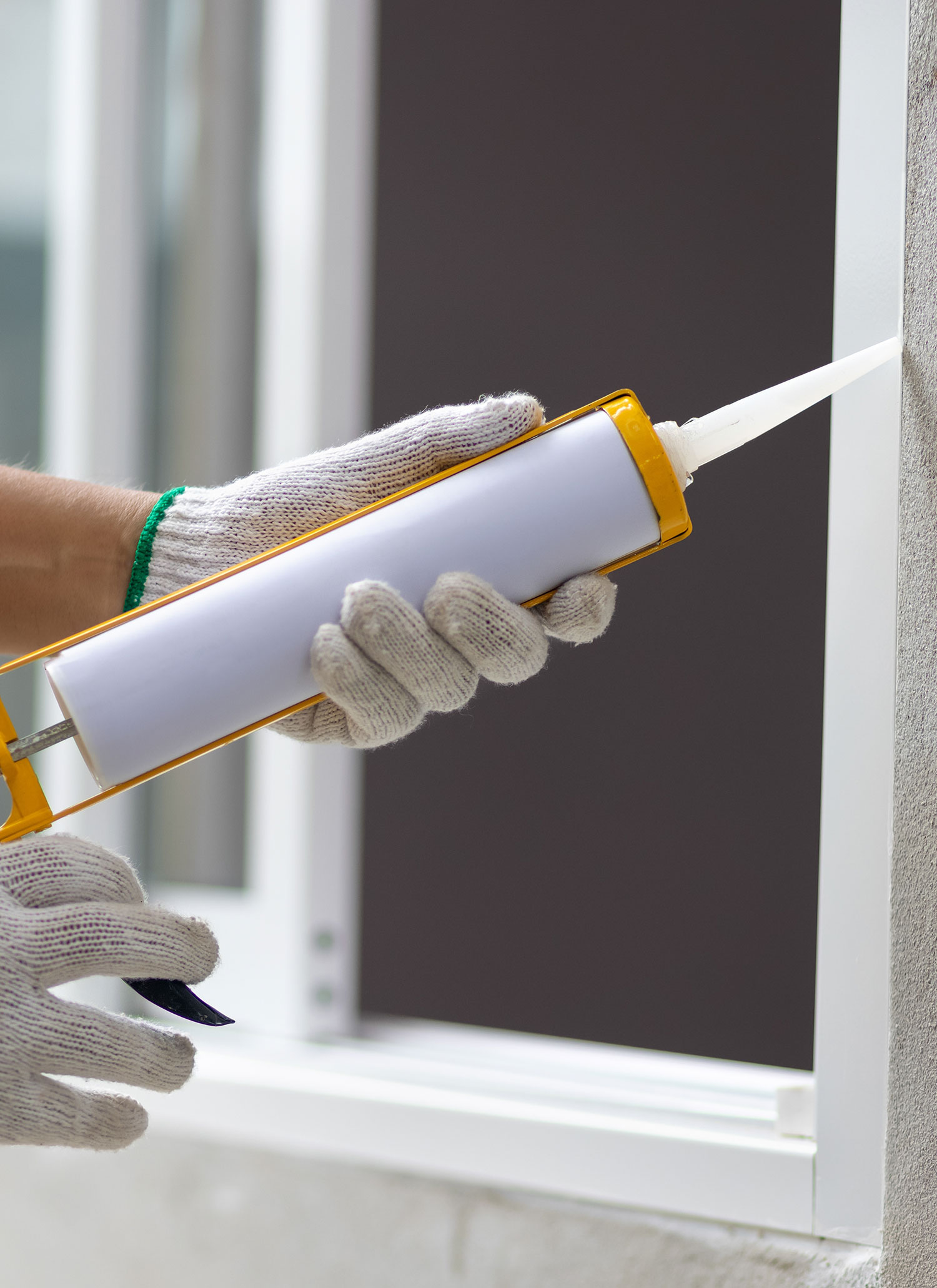
Caulking is not exciting but it's one of the most important steps before painting, especially on exterior. Every gap between trim and siding, around windows, around door frames — those gaps let moisture in. Moisture under paint causes bubbling and peeling from underneath, and no amount of good paint will fix a moisture problem that wasn't addressed before painting.
On interior, caulking the gap between baseboard and wall, and between door trim and wall, is what gives a paint job that clean finished look. Without it, there's always a slight gap that catches light and looks unfinished. We use a paintable latex caulk for interior work and a high-quality paintable siliconized caulk for exterior. Let it cure the right amount of time before painting over it.
Primer: When It's Required and When You Can Skip It
You need primer when painting new drywall. You need primer on fresh drywall repairs. You need primer when going from a very dark color to a light one. You need shellac-based primer on water stains or smoke damage — regular primer won't block those stains.
On a standard repaint over clean, intact previously painted walls in good condition with no color change that's dramatic, you can sometimes skip a separate primer coat and go straight with your finish paint. But when in doubt, prime. The cost of a can of primer is nothing compared to the extra coat of finish paint you might otherwise need.
Ready to Get a Quote?
We serve League City, Houston, Friendswood, Pearland, Kemah, and the surrounding area. Call or book online.